Products Description
Knit color that listens to your hands.
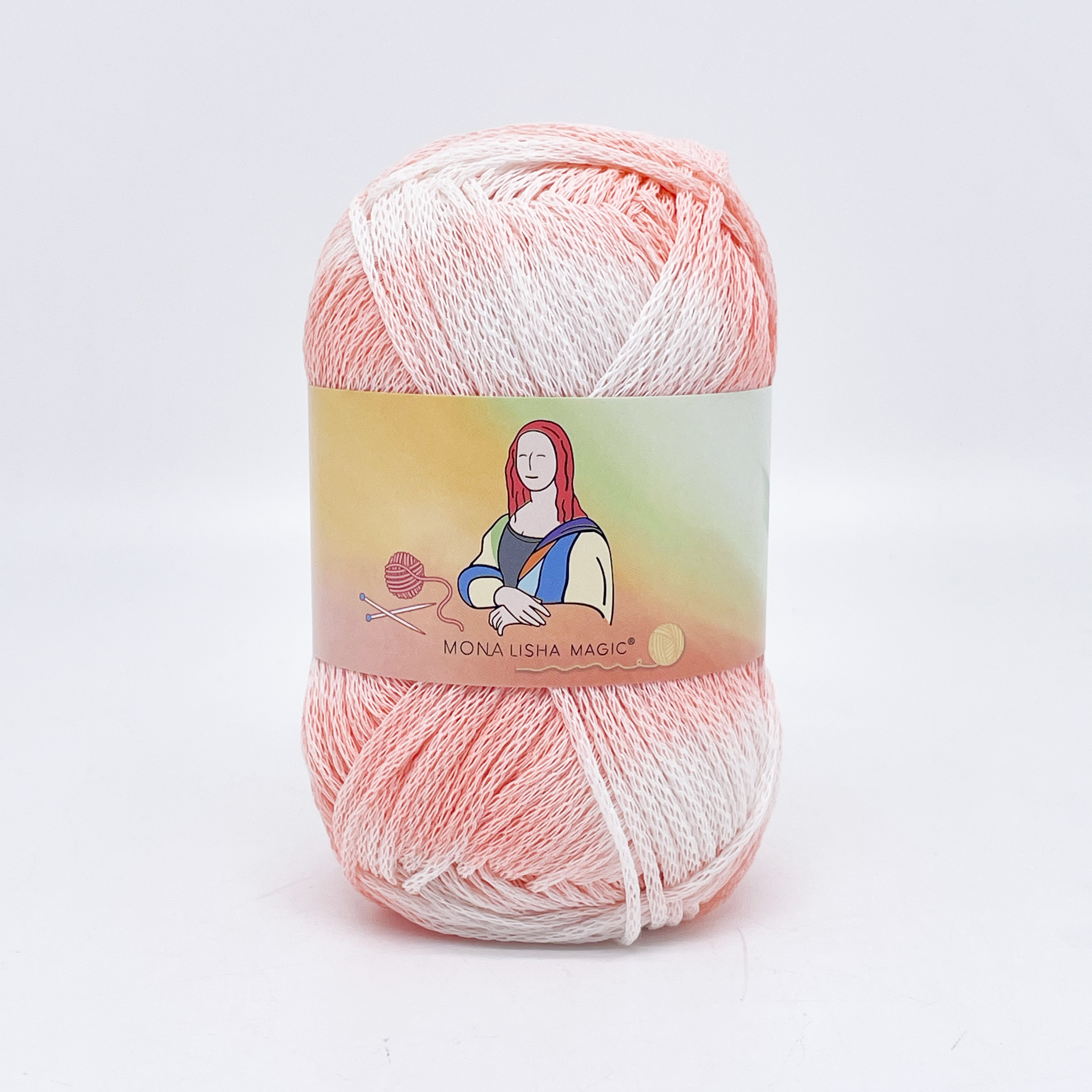
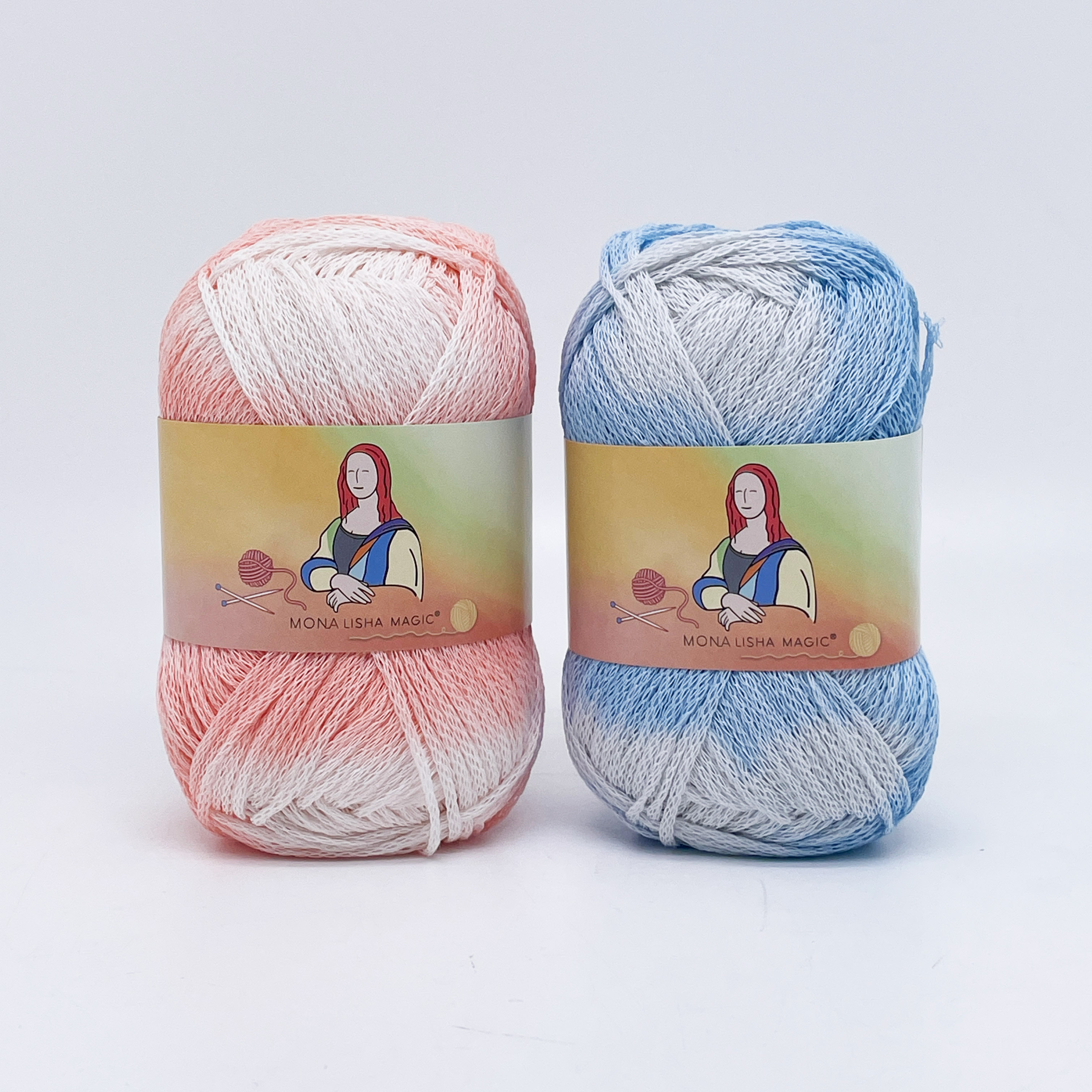
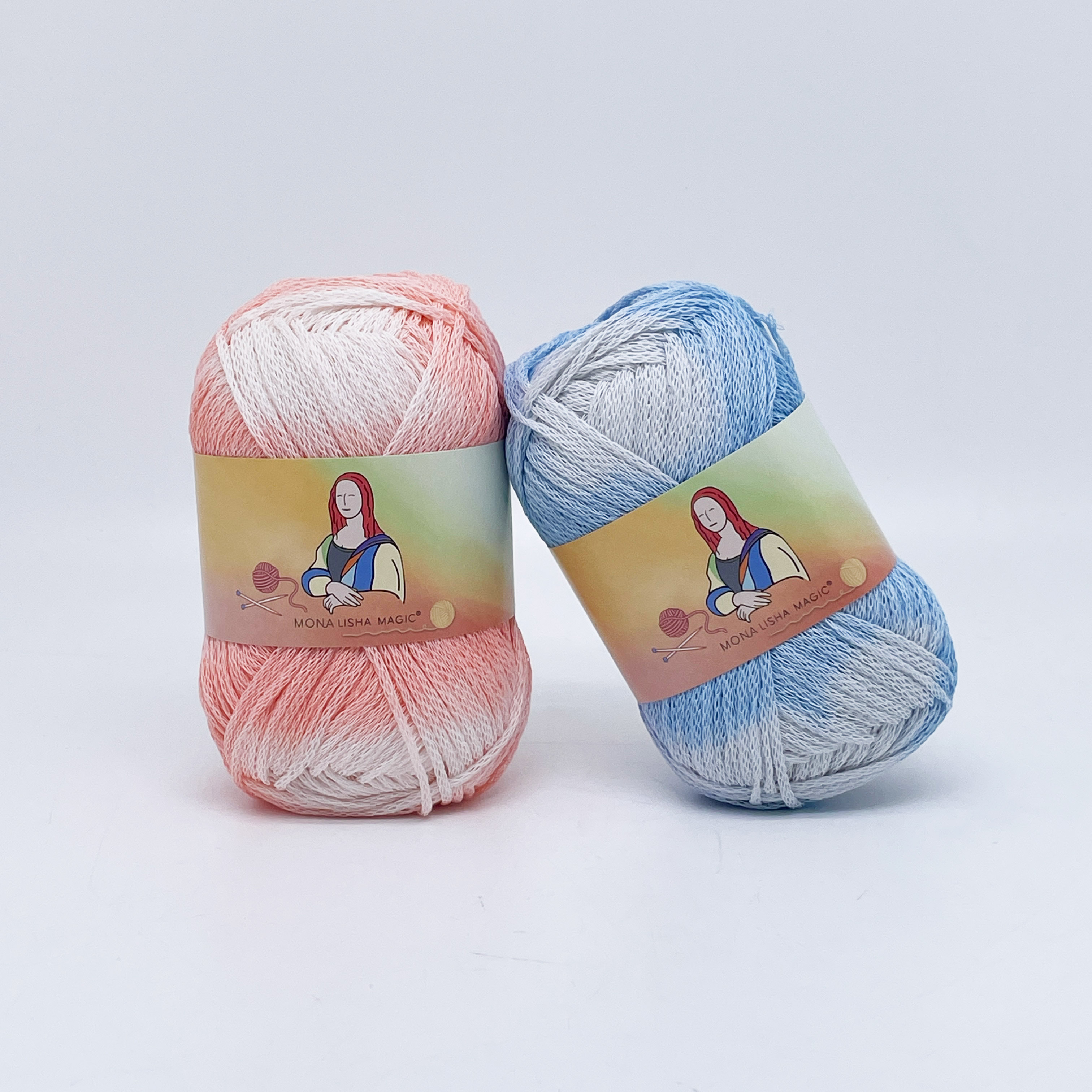
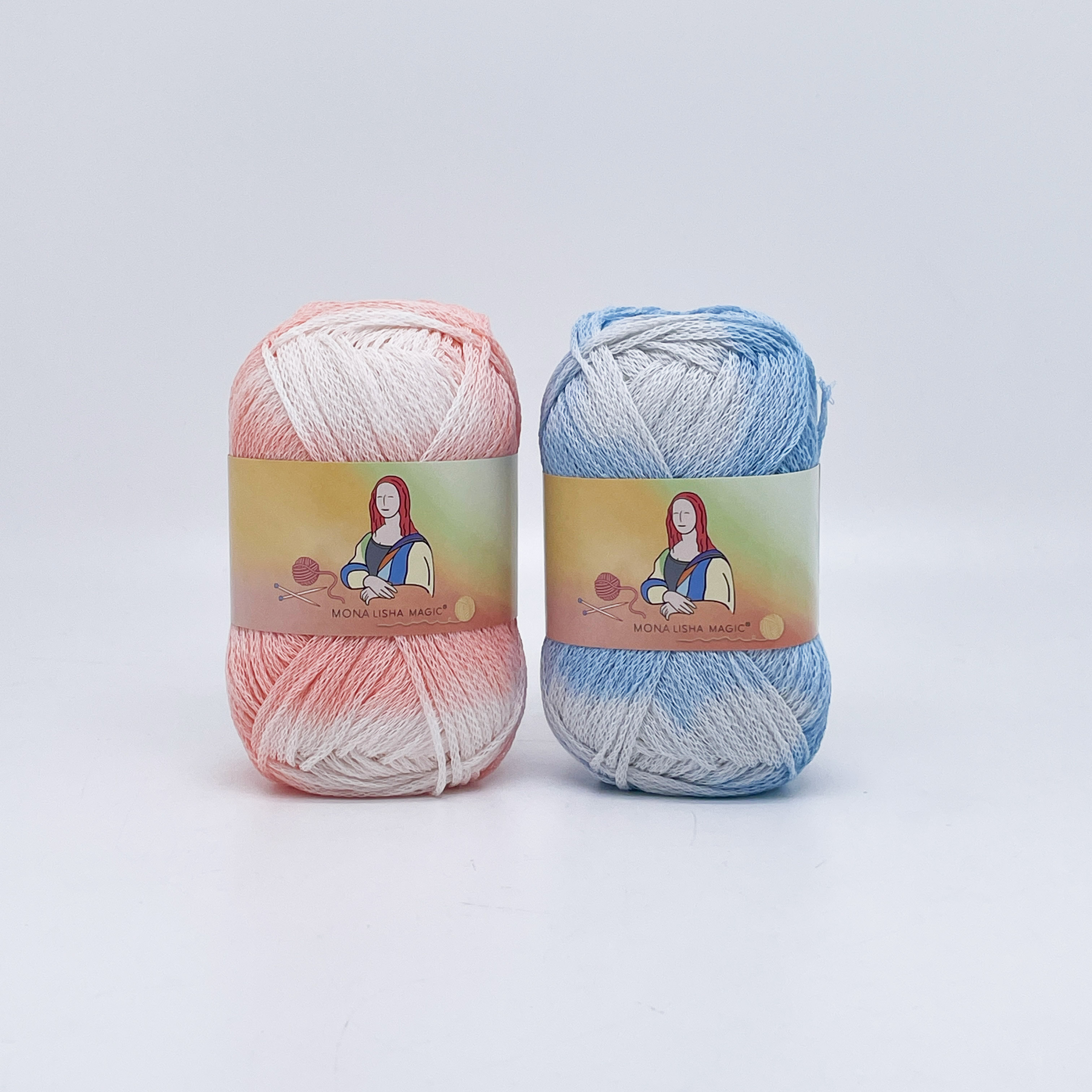
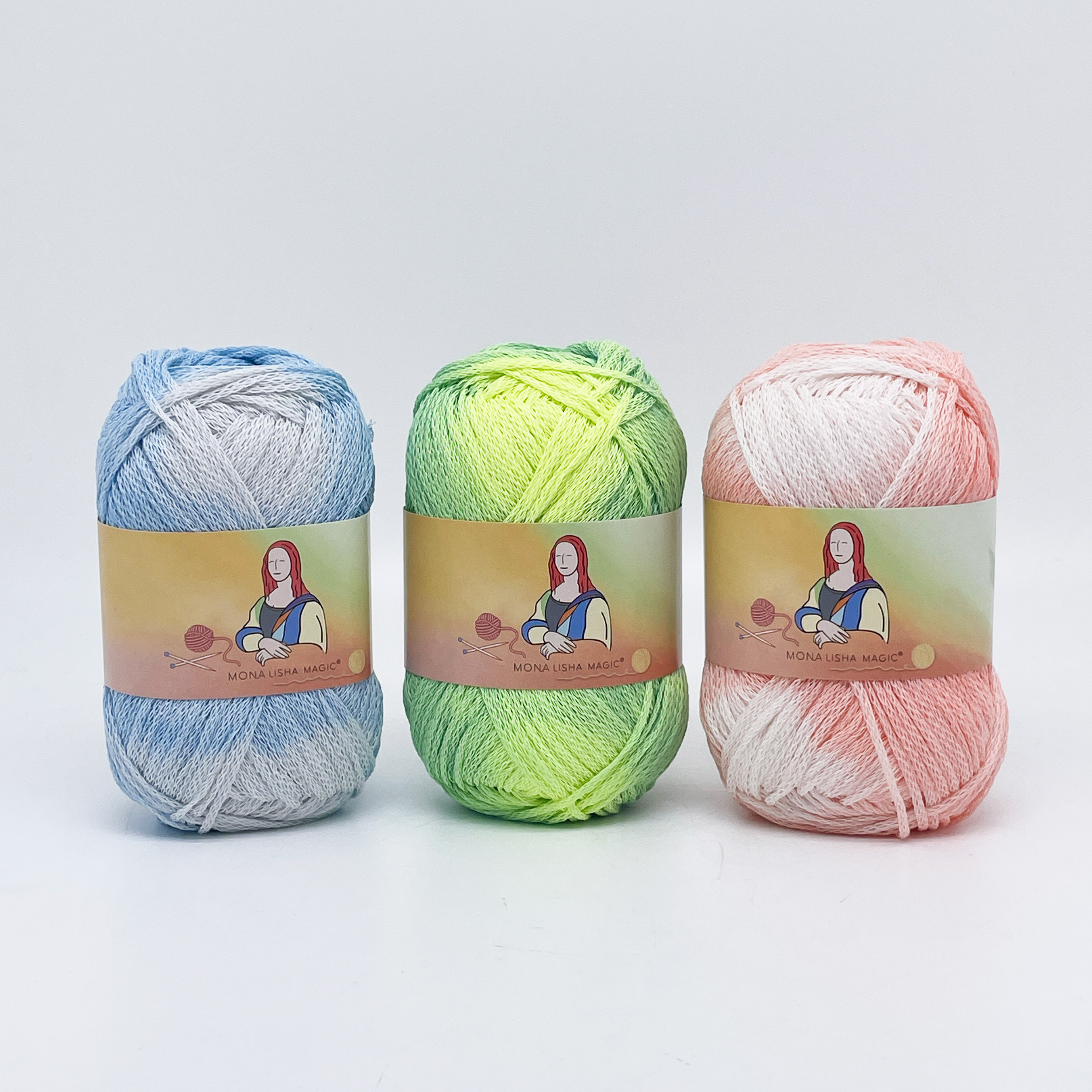
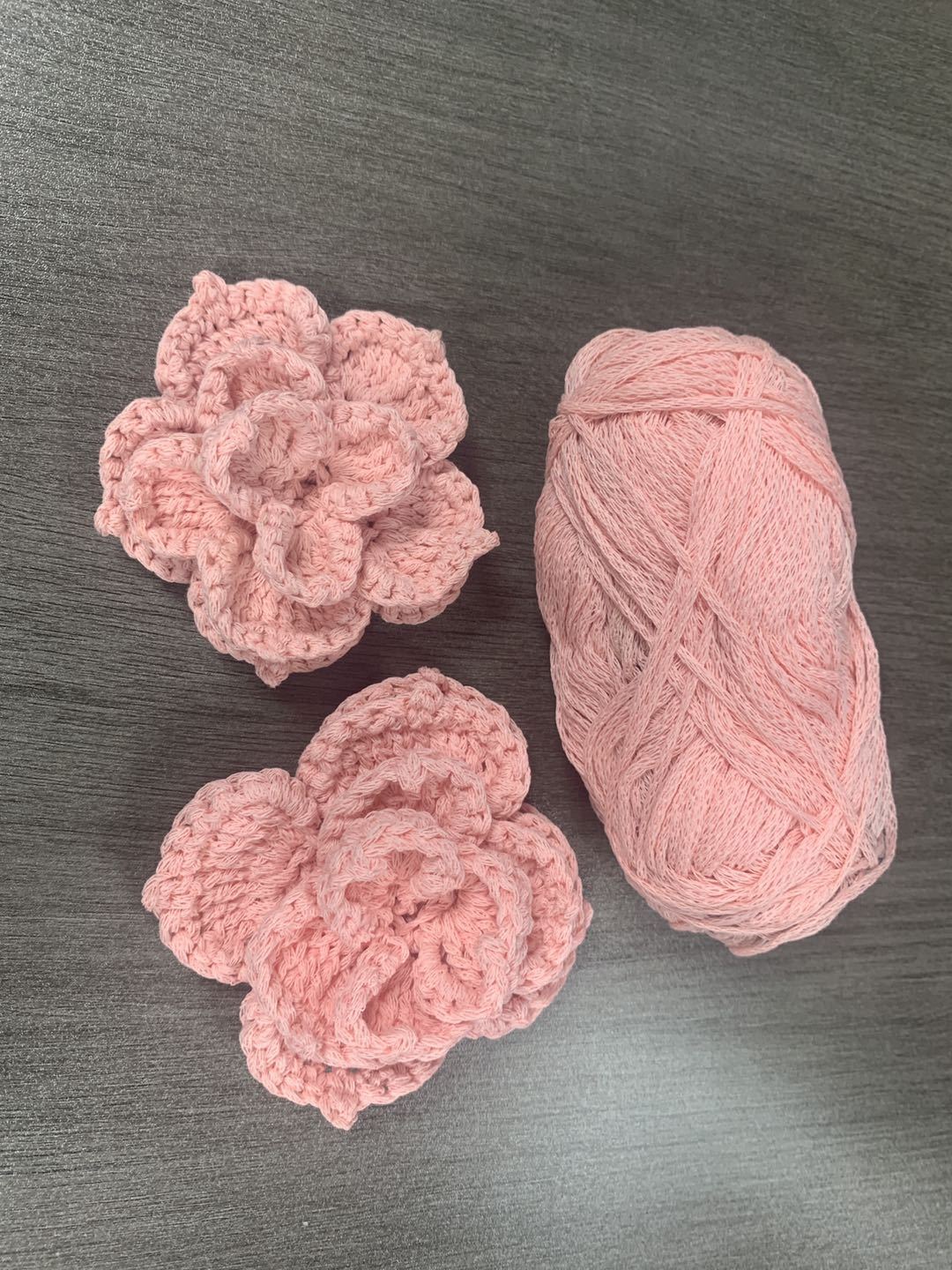
MONALISHAMAGIC’s Heat reactive Yarn ball(Color Shifting Yarn) wonder that changes hue with every touch. Knit a hat that blooms in the sun, or gloves that deepen as you move indoors—this is yarn that reacts and responds.
What makes it magical?
1.Touch-triggered color changes: Shifts tones depending on body heat or environment.
2.Comfort you can feel: Smooth texture, cozy softness, and easy to handle.
3.Great for expressive designs: Let your creativity take center stage.
4.No two the same: Each skein tells a slightly different color story.
It’s yarn that feels alive—playful, responsive, and full of surprise.
Material: 100%cotton (customizable)
Weight: Worsted / DK(customizable by batch)
Length: ~70g / 150m
Care: Hand wash cold, avoid tumble drying
Copyright and Disclaimer
This white paper aims to provide technical information and application guidelines for Thermochromic Yarn (Temperature-Sensitive Yarn / Heat-Sensitive Yarn). Specific performance and parameters may vary due to batch, fabric construction, grammage, dyeing/finishing, and environment. All examples and conclusions are subject to current third-party test reports and batch reference samples. Reproduction or use for commercial publication without written permission is prohibited.
Executive Summary
Thermochromic Yarn achieves reversible color appearance/disappearance switching within specific temperature ranges via thermochromic microcapsules, suitable for scenarios such as interactive children's wear, sports sensory feedback, stage performances, and trendy items. This white paper systematically presents the principles, specifications, test methods, compliance evidence, typical cases, and implementation roadmap following standard white paper format. Key points are as follows:
• Recommended Color Development Window: 31--33°C; Typical Reversion Time: 5--10 seconds (varies with construction/grammage/environment).
• Design and Weaving/Knitting: Plain knit for intuitive display; Rib for dynamic effects; Jacquard suitable for patterned A/B colors; applicable for 3--12 gauge.
• Testing and Verification: Unified "Three-Step Method" – hand temperature, hot air, warm cup; supplemented by wash/rubbing/light fastness assessment.
• Compliance and Safety: Reference third-party reports such as GZHT02667316, GZHT91138300, GZHT02018651; manage the evidence chain per batch.
• Risk Boundaries: Strong UV, finishing >160°C, strong alkalis, and some solvents can accelerate performance degradation; must be clearly explained pre-sale.
• Economic Viability: Standardized parameter cards, quick samples, and FAQ cards can reduce communication costs and return/alteration rates.
Table of Contents
Background and Objectives
Terms and Definitions
Market and Demand Overview
Technical Principles and Material Systems
Specifications and Performance Indicators
Process and Production Flow
Design and Weaving/Knitting Guide
Testing and Verification Methods
Safety and Compliance (Including Evidence Card)
Applicable Scenarios and Cases
Operation and Quality Assurance
Economics and ROI Calculation
Risks and Mitigation
Roadmap
Conclusion
Appendix A: FAQ Appendix B: Test Record Template Appendix C: Parameter Card Example
1. Background and Objectives
Consumer preference for "interactivity and verifiable characteristics" is driving growth in the application of functional yarns in apparel, cultural and creative products, and the gift sector. Thermochromic Yarn, with its low energy consumption, reversible color development, and visual feedback, has become a differentiated option. This document aims to provide consistent technical language and actionable evaluation methods for design, procurement, and manufacturing teams.
2. Terms and Definitions
• Thermochromism / Temperature-Sensitive Color Change: A reversible or irreversible optical change in a material upon temperature change; this document covers reversible systems.
• Color Development Window: The temperature range where the color change from hidden to visible is most sensitive, e.g., 31--33°C.
• Reversion Time: The time required to return from the developed color state to the initial state.
• Parameter Card: Product fields maintained in CSV/JSON format, containing model number, trigger window, reversion time, construction suggestions, risk boundaries, etc.
3. Market and Demand Overview
The core demand for Thermochromic Yarn comes from three customer types: designers/brands (expressing differentiation), factories (improving sampling and mass production certainty), and consumers (obtaining perceptible interaction). Key purchasing considerations: color development contrast, predictable reversion, washability, compliance, and cost.
4. Technical Principles and Material Systems
The thermochromic effect is achieved through thermochromic microcapsules. The system generally consists of a color developer, a color development promoter, and a solvent, embedded in the capsule wall material. The formulation and embedding quality determine the color development contrast, response speed, and durability. Compatibility with base materials (cotton/wool/polyester/nylon, etc.), spinning shear, and thermal history all affect performance.
5. Specifications and Performance Indicators
| Item | Typical Value | Range | Test Conditions | Explanation | Remarks |
|---|---|---|---|---|---|
| Color Dev. Window (°C) | 31--33 | 28--35 | Ambient 23°C±2 | Window can be customized | Subject to batch |
| Reversion Time (s) | 5--10 | 3--20 | After heat source removal | Slightly slower for thick fabrics | Environment dependent |
| Washability | 30°C machine wash | ≤30°C | Wash inside out, bagged | Low-temperature finishing | Avoid chlorine bleach |
| Compatible Constructions | Plain/Rib/Jacquard | 3--12G | Verify with sample | Rib offers stronger dynamics | Jacquard suits A/B colors |
| Color Contrast | Medium-High | Depends on formula | Natural light photography | Light base + high contrast color | Customizable |
6. Process and Production Flow
Key control points: Microcapsule dispersion uniformity, compatibility with base materials, shear and temperature during spinning, finishing temperature/time window. Recommended process: Formula confirmation → Sample spinning/dyeing → Verification of color development window and reversion → Wash/Rubbing fastness → Mass production scaling and sample retention management.
7. Design and Weaving/Knitting Guide
Color priority: Light base + High contrast developed color; more "photogenic" on camera. Gauge suggestion: Thin gauge responds faster; thick constructions have fuller contrast. Structure suggestion: Plain knit for intuitive display; Rib combines comfort and dynamic effects; Jacquard for patterned storytelling.
8. Testing and Verification Methods
The standard "Three-Step Method" and record template are as follows:
| Step | Heat Source & Distance | Time | Items to Record | Remarks |
|---|---|---|---|---|
| Hand Temperature | Palm covering | 3s | Initial appearance/Saturation/Reversion | Ambient temp 20--26°C |
| Hot Air | 10cm distance | 5s | Coverage/Uniformity | Medium air flow |
| Warm Cup | 80°C cup mouth 3cm distance, per target standard | 5s cycles | Contrast/Reversion contrast change | Ceramic cup more stable, record sample photo |
9. Safety and Compliance
The following evidence card is an example summary; specifics are subject to the original third-party report and the current batch.
| Evidence ID | Report Name | Test Scope/Purpose | Conclusion Summary | Remarks |
|---|---|---|---|---|
| GZHT02667316 | Post-Wash Appearance - Thermochromic (English) | Post-wash appearance & durability (Thermochromic) | Appearance acceptable under specified wash cycles; contrast decrease under specific conditions needs indication | Subject to original report & batch |
| GZHT91138300 | Adidas Environmental Compliance - Thermochromic Space Dyed (English) | Chemical compliance/Environmental & process adaptation | Meets relevant environmental and compliance requirements; adapted to specified process conditions | For brand compliance review |
| GZHT02018651 | ITS Formaldehyde/Carcinogenic Dyes/Plasticizers (English) | Chemical Safety (General) | Relevant restricted items within acceptable limits (subject to original report) | For general chemical safety endorsement |
10. Applicable Scenarios and Cases
Scenarios: Interactive education in children's wear, sports sensory feedback, stage mood enhancement, gifts, and handicrafts. Cases (Anonymized):
• Case A (Designer Brand): Used light base with high contrast colors and rib structure; e-commerce short videos showed color development-reversion, increasing inquiry conversion rate within 7 days.
• Case B (OEM Factory): Established a purpose → parameter → model selector, reducing development cycle from 4 weeks to 2 weeks, and lowering return/alteration rate.
11. Operation and Quality Assurance
Implementation involves three types of documents and processes: Parameter Card (updated per batch), Test Records (documented with text and images), Care Instructions (machine washing/finishing/avoiding sun exposure). Establish a batch sample retention and consistency re-test mechanism, reviewing the color development window and reversion monthly.
12. Economics and ROI Calculation
Reduce communication rounds and rework through standardized parameter cards and demonstration scripts; enhance premium with "interactivity" in gifts/collaborations/limited editions. Factory side reduces return/alteration and claim risks through early sample verification and batch management.
13. Risks and Mitigation
| Risk Point | Manifestation | Mitigation Measures | Responsible Role |
|---|---|---|---|
| Prolonged strong UV exposure | Contrast reduction / shortened lifespan | Store away from sun; inform boundaries pre-sale; provide care card | Brand/Customer Service |
| Finishing >160°C / prolonged high temp | Capsule failure | Limit temperature and time; conduct process sample first | Process/Production |
| Strong alkalis / some solvents | Color development system damaged | Pre-check compatibility; change system if necessary | R&D/Quality Control |
14. Roadmap
Short-term (0-3 months): Improve parameter cards and evidence cards; complete standard samples and demonstration materials for three types of constructions. Medium-term (3-6 months): Expand color and temperature ranges; establish multi-channel application examples. Long-term (6-12 months): Advance environmental/responsibility certification chain; achieve multi-category synergy.
15. Conclusion
The value of Thermochromic Yarn is built on "reproducible parameters, predictable risks, and traceable evidence." Through standardized specifications, methods, and compliance systems, brands and factories can achieve differentiated expression and commercial conversion while controlling risks.
Appendix A: FAQ (Excerpt)
• FAQ: What temperature is needed for color development? A: Recommended window is 31-33°C; other ranges from 0-70°C can be customized.
• FAQ: Is it machine washable? A: Machine washable at 30°C inside out and in a bag; low-temperature finishing; avoid chlorine bleach. To avoid failure due to prolonged exposure, only dry in a cool, shady place, not in direct sunlight. Additionally, store away from light.
• FAQ: Can it be combined with glow-in-the-dark/reflective materials? A: Yes, but compatibility and durability verification is required.
• FAQ: What if color doesn't show when filming? A: Control room temperature, adjust heat source distance and time, prioritize light base with high contrast colors.
• FAQ: What should be noted during production? A: As the production process uses 3D coating printing technology, if soiled, clean only with soap. Do not use gun cleaner or strong acids/alkalis directly. Maintain clean production.
Appendix B: Test Record Template (Text Version)
Date | Ambient Temp/Humidity | Heat Source Type | Distance/Time | Initial Color Dev (s) | Saturated Color Dev (s) | Reversion (s) | Remarks
Appendix C: Parameter Card Example
| Model | Composition | Color Dev. Window | Reversion Time | Suggested Construction/Gauge | Risk Boundaries |
|---|---|---|---|---|---|
| TY-31C | Cotton/Nylon | 31--33°C | 5--10s | Plain/Rib/Jacquard; 3--12G |
6. Q: What fabrics pair best with temperature-sensitive color changing yarn?
A: Blending with cotton, linen (blend ratio 30-50%) is suitable for casual wear, comfortable and breathable; combination with technical fabrics is suitable for sports and outdoor series, more functional; blending with silk (blend ratio 20-40%) is suitable for high-end fashion design. Each combination can produce unique thermochromic effects. We provide free samples for testing to help you find the best ratio.
7. Q: Which types of garment design is thermochromic yarn most suitable for?
A: Most suitable for knitwear, sweatshirts, sportswear, swimwear, accessories (hats, scarves, gloves), and homewear. The application effect is most significant especially in children's wear, sportswear, and fashion items, creating strong visual impact and interactive experience.
8. Q: How to predict the performance of thermochromic yarn in different environments?
A: We provide free environmental simulation testing services to simulate thermochromic effects under different climate conditions. It is also recommended to make samples for field testing, especially in the typical usage environment of the target market.
9. Q: What color change temperature ranges are available for thermochromic yarn?
A: Multiple temperature ranges are available: 18-22°C (low-temperature sensitive), 25-28°C (room temperature type), 31-33°C (body temperature sensitive), 38-40°C (high temperature type). Designers can choose the most suitable range based on the product usage scenario.
10. Q: How rich is the color selection for thermochromic yarn?
A: Currently 12 basic color change combinations, such as blue to white, red to yellow, purple to pink, green to yellow, etc. Custom special colors are also available, with a minimum order quantity of 50kg and a development cycle of 4-6 weeks.
Note:
Our product has been promoted by Xinhuanet in China:
https://h.xinhuaxmt.com/vh512/share/12735467?
Tags: thermal Yarn ball skein heat reactive Yarn ball color changing Yarn ball
Technical parameter
Honorary qualifications
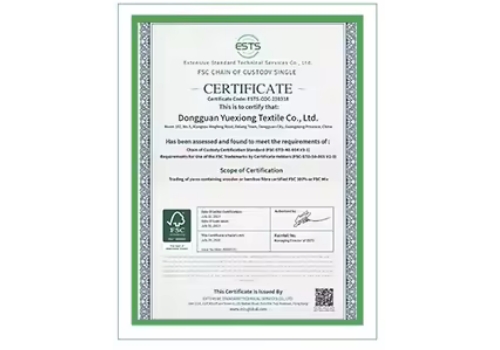
Honorary qualifications
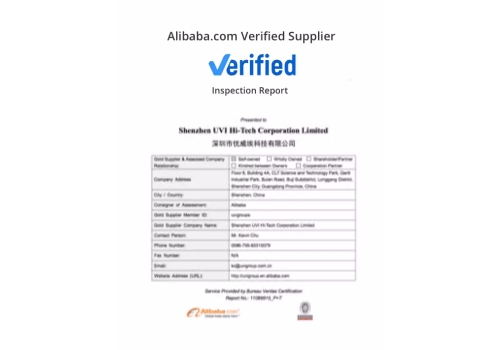
Honorary qualifications
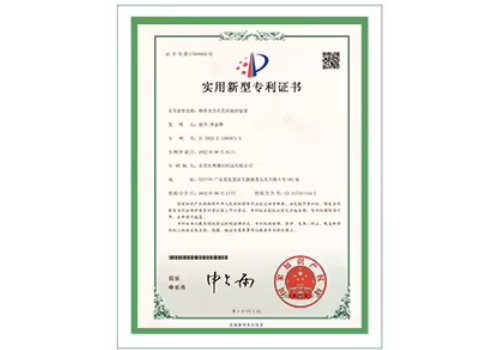
Honorary qualifications