Thermochromic yarn can turn body heat, touch or controlled heating into a visible colour change. That makes it useful for interactive knitwear, accessories, craft products and textile development—but the effect that looks impressive in a short video may behave differently in a finished fabric.
The safest way to source thermochromic yarn is to treat it as a material-development project rather than choosing it by colour alone. The activation temperature, fibre, yarn count, fabric construction, finishing process, washing method and use environment all affect the result.
This guide explains what to ask a supplier, what to test before bulk production and which claims require supporting evidence.
For textile developers, yarn distributors and crochet brands, this guide connects material selection with sampling and wholesale procurement.
Quick sourcing rule: Select the yarn from the intended end use backwards. Confirm the target fabric, contact conditions and care method first; then match the activation range, fibre, yarn count and colour pair.
1. What is thermochromic yarn?
Thermochromic yarn is yarn designed to show a visible colour-state change in response to temperature. Depending on the thermochromic system and colour design, the warmer state may appear lighter, become colourless or reveal an underlying colour. When a reversible system cools below its recovery range, it returns towards its original state.
Many textile thermochromic systems use protected colour-changing components, often described at category level as microencapsulated thermochromic materials. The capsule and its attachment to the textile help protect the active system, but they do not make every yarn automatically resistant to washing, rubbing, sunlight, heat or chemical processing.
The performance of a published research sample, pigment or coated fabric must not be assumed to be the performance of a particular commercial yarn. Product-level claims should be tied to the actual yarn, sample or batch being supplied.
2. Thermochromic is not the same as photochromic or heat-generating yarn
| Material | Main trigger | Typical visible behaviour | What buyers should verify |
|---|---|---|---|
| Thermochromic yarn | Material temperature | Changes colour state as the yarn or fabric warms and recovers as it cools | Activation range, recovery, colour pair and durability |
| Photochromic yarn | UV radiation / sunlight | Develops or changes colour under suitable UV exposure | UV source, exposure time, shade and lightfastness |
| Glow-in-the-dark yarn | Prior light exposure | Emits an afterglow in darkness after charging | Charging condition, afterglow level and duration |
| Reflective yarn | Incident light | Returns light towards the source and appears bright under headlights or flash | Light source, angle, distance and reflective construction |
| Heat-retaining yarn | Thermal-management design | Helps manage or retain heat but does not necessarily change colour | Test method and claimed thermal property |
| Conductive or heated yarn | Electrical input | Produces or transfers heat when incorporated into a powered system | Resistance, voltage, safety and system design |
If the project needs a response to sunlight, thermochromic yarn is not the correct material. If it needs active heating or temperature measurement, a colour-changing yarn alone may not perform that function.
3. Start with the application, not the colour card
Before requesting a quotation, define how the material will be used:
- End product: sweater, hat, scarf, glove, craft yarn, embroidery, woven label or another textile
- Construction: knitting, crochet, weaving, embroidery or yarn used together with a base yarn
- Contact condition: body contact, warm object, ambient heating or a controlled heat source
- Desired effect: local handprint, gradual reveal, all-over change, pattern reveal or colour warning
- Care method: hand wash, machine wash, dry clean or limited-care display product
- Market requirement: destination country, restricted-substance requirements and buyer-specific testing
The same yarn can appear different in plain knit, rib, jacquard or a dense multilayer structure. Fabric weight, yarn exposure, contact area and heat transfer can change how quickly and evenly the colour effect becomes visible.
Match the application to the specification
Searches often begin with a finished product rather than a yarn specification. Convert the intended use into testable requirements before asking for a quotation.
| Intended use | First specifications to confirm | Prototype check |
|---|---|---|
| Sweaters and body-contact knitwear | Fibre, count, gauge, activation range and skin-contact requirements | Whether body contact creates a visible, repeatable effect in the actual fabric |
| Scarves, hats and gloves | Hand feel, construction, colour contrast and care method | Response under realistic contact time and outdoor conditions |
| Embroidery and decorative stitching | Size, tensile behaviour, machine compatibility and abrasion | Stitch definition, breakage and colour change after embroidery |
| Crochet, hand knitting and DIY kits | Put-up, length/weight, handling and instructions | Whether the quantity is enough for the stated project |
| Knitted footwear and accent panels | Machine compatibility, abrasion, finishing temperature and base colour | Processability and durability in the finished panel |
A use keyword is a starting point, not proof of suitability. A yarn described online for sweaters, crochet or embroidery still needs checking against the actual machine, stitch and care conditions.
Recognize category synonyms without confusing material types
Buyers may search for thermochromic yarn, heat reactive yarn, heat sensitive yarn, temperature changing yarn, temperature sensitive yarn, thermal color changing yarn, color changing yarn or hypercolor yarn. These phrases overlap in everyday search, but the listing should still identify temperature as the actual trigger. Broad phrases such as color changing yarn must be separated from photochromic, glow-in-the-dark, reflective and other functional yarns before selection.
4. How to choose an activation temperature
The quoted activation temperature should refer to the temperature reached by the responsive material—not simply the room temperature shown on a thermostat.
For a body-contact effect, the target range must be selected and tested in the actual construction. A yarn recorded at approximately 31°C may respond to warm contact in one lightweight structure but react more slowly or less uniformly in a thick or insulated fabric.
Ask the supplier:
- Is the quoted value a nominal activation point or a measured transition range?
- Where and how was temperature measured?
- What tolerance is expected between samples or batches?
- At what temperature does the colour begin to change?
- At what temperature is the warm-state colour most visible?
- Under what cooling condition does the original colour return?
Do not describe a yarn as “body-temperature activated” until its behaviour has been checked in the intended product and wearing conditions.
5. Confirm both colour states
A colour name alone is not enough for thermochromic yarn. Each option should be recorded as a pair:
| Information required | Example format |
|---|---|
| Supplier colour code | Confirmed colour code |
| Cold-state colour | Colour below the transition range |
| Warm-state colour | Colour at or above the tested range |
| Base or underlying colour | If the active colour becomes transparent or lighter |
| Test temperature | Measured material temperature |
| Lighting condition | Controlled or stated lighting |
| Image status | Reference only or approved sample |
Digital colour swatches are useful for screening but should not be treated as final colour approval. Camera settings, screen displays, lighting, substrate colour and fabric construction can all affect appearance.
Approve colour from a physical yarn sample and, where possible, a target-construction swatch tested under recorded conditions.
6. Fibre and yarn count affect more than hand feel
The correct fibre and yarn count depend on the end product and manufacturing process. Buyers should confirm:
- Fibre composition
- Yarn count or denier
- Yarn structure and ply
- Recommended knitting, crochet, weaving or embroidery use
- Approximate needle or gauge guidance, if validated
- Whether the yarn is intended to be used alone or together with another yarn
- Compatibility with the planned dyeing, finishing and garment processes
Do not assume that a thermochromic thread seen online is suitable for a sweater, or that a hand-knitting yarn can be substituted directly into an embroidery process. “Yarn” and “thread” are often used loosely in search results, but production compatibility depends on actual dimensions, structure and strength.
7. What does “washable thermochromic yarn” actually mean?
“Washable” is not a complete test claim. A supplier may be referring to colour staining, visible appearance or retention of the thermochromic function—and these are not the same result.
A useful durability review separates at least five questions:
- Did the sample retain its physical appearance after washing?
- Did the cold-state colour change?
- Did the warm-state colour change?
- Did the activation and recovery behaviour remain functional?
- Was performance also checked after rubbing, perspiration, light exposure or the intended finishing process?
When test data is available, ask for:
- Sample description and batch
- Test standard and laboratory
- Washing temperature, detergent and cycle count
- Drying method
- Pre-test and post-test colour measurements or graded results
- Functional test before and after care
- Any limitations on rubbing, sunlight, ironing, bleaching, solvents or high-temperature processing
A pass result for one test item must not be expanded into a claim that the yarn is universally durable or suitable for every garment-care process.
8. Sunlight, friction and finishing can matter as much as washing
Thermochromic systems can be sensitive to conditions beyond laundering. The level of risk depends on the actual formulation, textile structure and processing route, but buyers should consider:
- Prolonged sunlight or UV exposure
- Dry and wet rubbing
- Perspiration
- High-temperature drying, ironing or heat setting
- Bleaching agents and aggressive chemicals
- Solvents, coatings, printing or post-finishing treatments
- Repeated heating and cooling cycles
- Storage temperature and long-term ageing
This does not mean every thermochromic yarn will fail in these conditions. It means the intended conditions should be included in the sample-validation plan instead of being assumed from an untreated demonstration sample.
9. Evidence to request from a supplier
Different documents answer different questions:
| Evidence | What it can support | What it does not prove by itself |
|---|---|---|
| Product specification | Recorded composition, count and product configuration | Long-term durability or performance in every construction |
| Continuous demonstration video | A visible change occurred under the shown conditions | Exact activation tolerance, washability or batch consistency |
| Internal test record | Performance observed using the stated internal method | Independent certification |
| Third-party test report | Results for the submitted sample, method and date | Every colour, batch, yarn or finished product |
| Technical white paper | Category principles, engineering factors and test planning | The performance of one specific commercial SKU |
| Customer order record | A commercial transaction occurred | Customer satisfaction or technical performance |
| Customer application case | Use in a defined project, if documented and authorized | Universal suitability for other applications |
Ask the supplier to state which product, sample, colour and batch each document covers. If a report describes polyester fabric, it should not be used as proof for a cotton yarn merely because both products are thermochromic.
Compare suppliers on total project risk, not unit price alone
Send the same project brief to every manufacturer, supplier, wholesaler or reseller and compare the answers on a common basis.
| Comparison item | What to record | Why it matters |
|---|---|---|
| Product identity | SKU, fibre, count, structure and colour code | Prevents unlike products being compared as equivalent |
| Sample route | Form, quantity, fee and dispatch time | Shows how quickly the material can be validated |
| MOQ route | Stock, trial-order and custom-production MOQ | Separates development quantity from bulk quantity |
| Custom scope | Colour pair, activation range, fibre/count options and development charge | Separates standard choices from new development |
| Price basis | Unit, packaging, tax, freight, sample fee and validity | Reveals the landed project cost rather than a headline price |
| Lead time | Stock dispatch, sample development and bulk timing | Protects the buyer's development calendar |
| Evidence scope | Specification, test records, reports and exact sample mapping | Prevents category evidence being treated as SKU evidence |
| Bulk control | Approved reference, lot identification, inspection and acceptance criteria | Reduces the gap between sample and delivered bulk yarn |
The cheapest listing is not necessarily the lowest-cost choice. Re-sampling, failed swatches, machine downtime, rework, missed delivery dates and unusable bulk material can outweigh a small price difference.
Choose the buying route by project stage
- Exploration: request a colour card, small yarn sample or swatch to screen the visible effect.
- Prototype: buy enough of one identified lot to make the target construction and confirm whether a low-volume trial is supported.
- Customization: define the colour pair, activation range, fibre/count, MOQ, development fee and approval method before work begins.
- Bulk production: freeze the approved sample and acceptance criteria, then reconfirm lot, packaging, inspection, lead time and shipping terms.
Retail packs labelled by grams, hanks or kits may be useful for crafts, but they are not automatically suitable for commercial development. Confirm net weight or length, lot identity, replenishment and bulk availability.
10. A practical sample-testing workflow
Step 1 — Submit the project brief
Provide:
- Fibre preference
- Yarn count or target fabric gauge
- End use and construction
- Cold and warm colour target
- Desired activation range
- Care method
- Required quantity and destination
- Required standards or buyer protocols
Step 2 — Screen the yarn sample
Record the sample code, visual colour pair, trigger method and measured material temperature. Observe both heating and cooling rather than only photographing the warm state.
Step 3 — Make the target swatch
Use the intended stitch, density, base colour and companion yarn. Check whether the effect is visible enough and whether the fabric hand, strength and processability remain acceptable.
Step 4 — Test the intended risks
Choose tests from the real use conditions: washing, rubbing, perspiration, light, finishing temperature, repeated thermal cycling or buyer-specific chemical requirements.
Step 5 — Freeze the approved reference
Before bulk production, record the approved yarn code, colour pair, construction, test conditions, sample date and any agreed tolerance. Keep a physical reference where practical.
Step 6 — Confirm the bulk-order conditions
Reconfirm batch, quantity, packaging, lead time, inspection method and which performance requirements are acceptance criteria.
Recorded HS6352 cold-to-warm colour pairs
| Code | Cold state | Warm state |
|---|---|---|
| YXW-801 | Dark grey | White |
| YXW-802 | Red | Yellow |
| YXW-803 | Orange-red | White |
| YXW-804 | Sky blue | White |
| YXW-805 | Black | Watermelon red |
| YXW-806 | Green | Light yellow |
| YXW-807 | Bright purple | Pink |
| YXW-808 | Brown | Orange |
| YXW-810 | Grass green | Orange |
| YXW-811 | Dark green | Orange |
| YXW-812 | Light grey | Beige |
| YXW-813 | Medium pink | Light pink |
| YXW-814 | Green | Apricot |
| YXW-815 | Dark green | Light grass green |
| YXW-816 | Cotton dark brown | Apricot |
| YXW-817 | Navy blue | Light blue |
| YXW-818 | Dark grey | Light grey |
| YXW-819 | Dark purple | Light purple |
| YXW-820 | Medium grey | Beige |
| YXW-821 | Brownish yellow | Light apricot |
| YXW-822 | Grey | Light purple |
| YXW-823 | Light grey-blue | Blue-green |
| YXW-824 | Pink | Light yellow |
| YXW-825 | Navy blue | Grey-blue |
These are recorded colour directions in the HS6352 product colour library. Digital colour names and screen displays are for selection only; the physical yarn or target-construction swatch remains the final approval reference.
HS6352 visual examples
The following photographs have been confirmed as HS6352 material and cleared for public use. Colour-code labels are the closest visual matches to the recorded colour library; lighting, camera processing and screen display mean that the physical colour card remains the final reference.
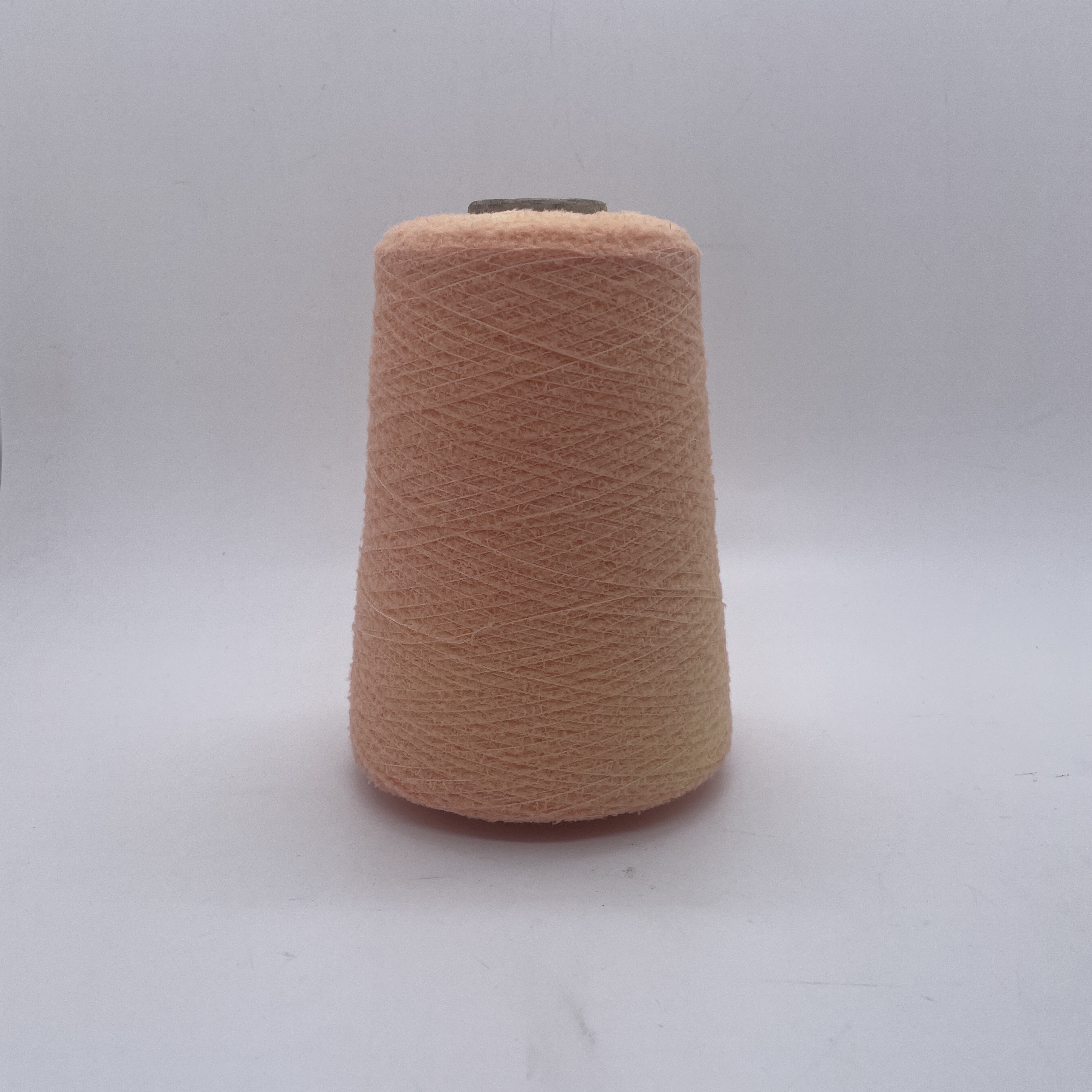
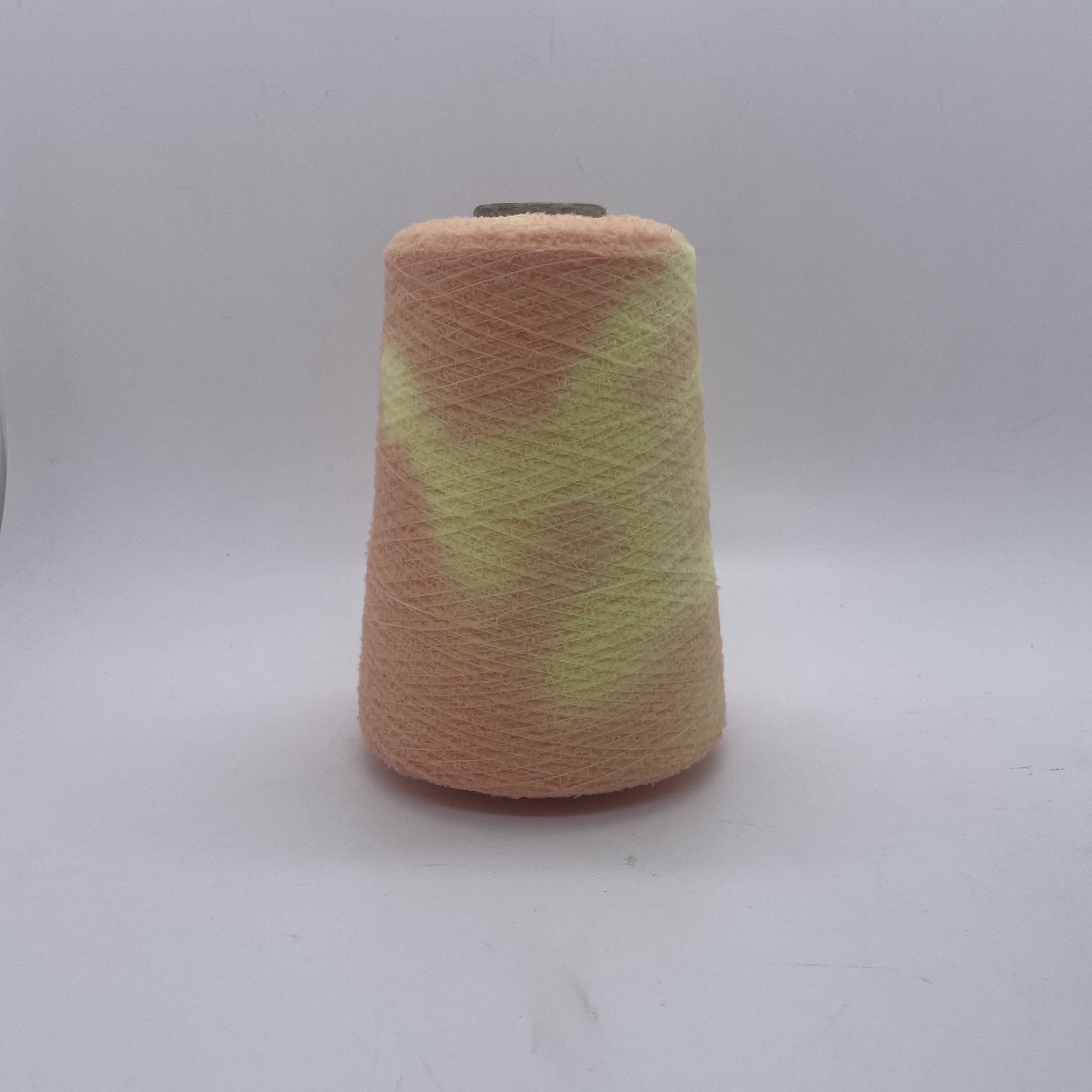
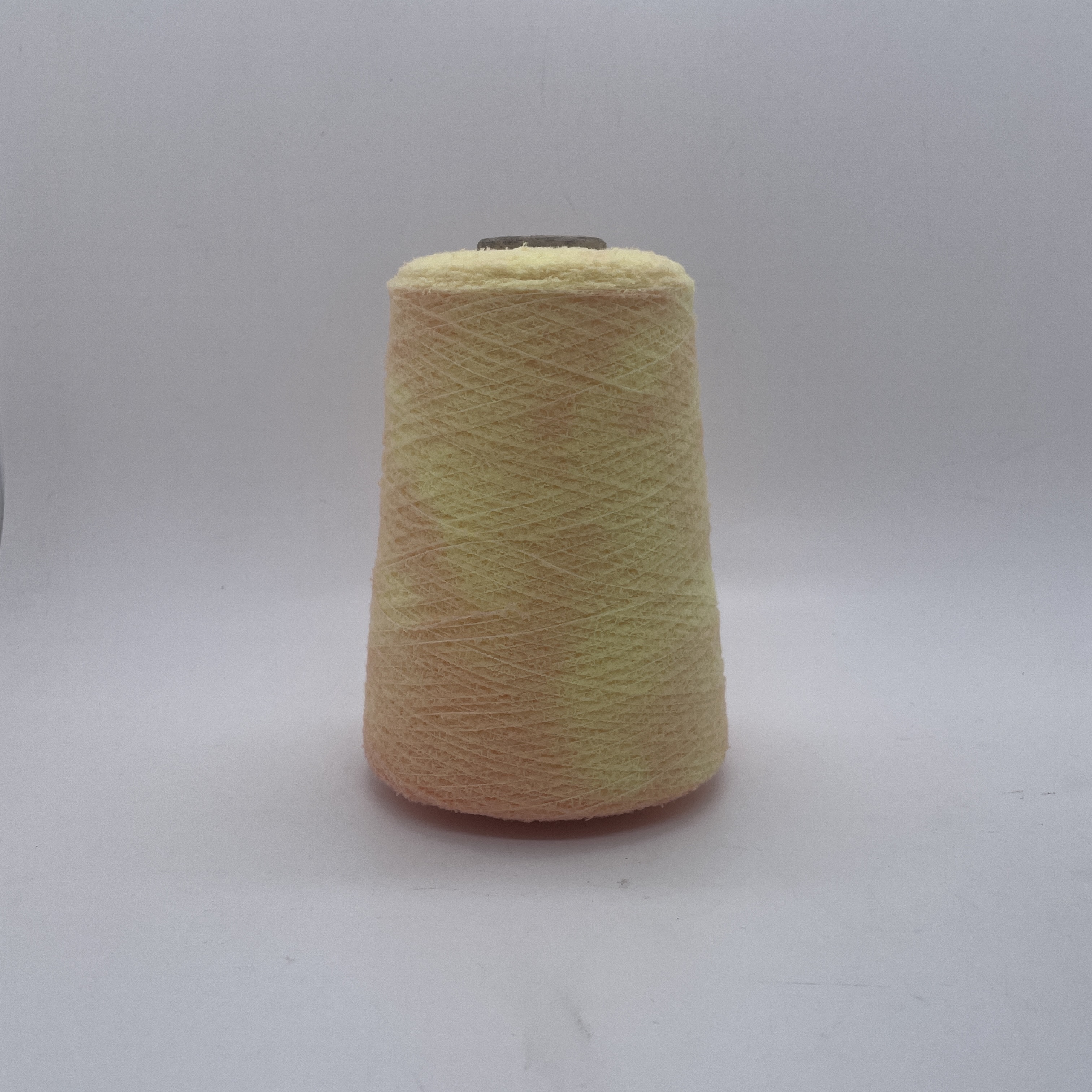
HS6352 real colour-change demonstration. Digital appearance is for reference; approve colour using physical samples.
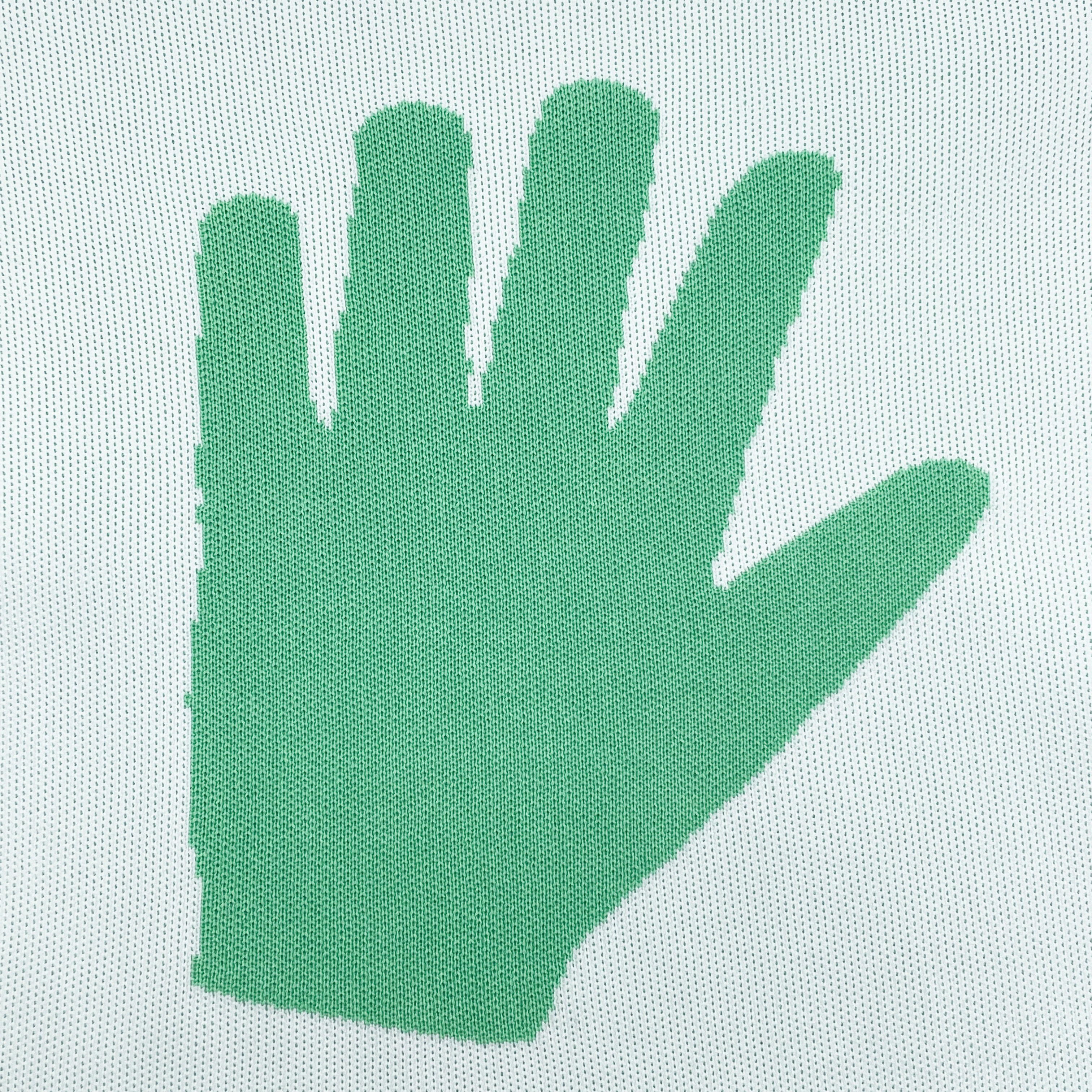
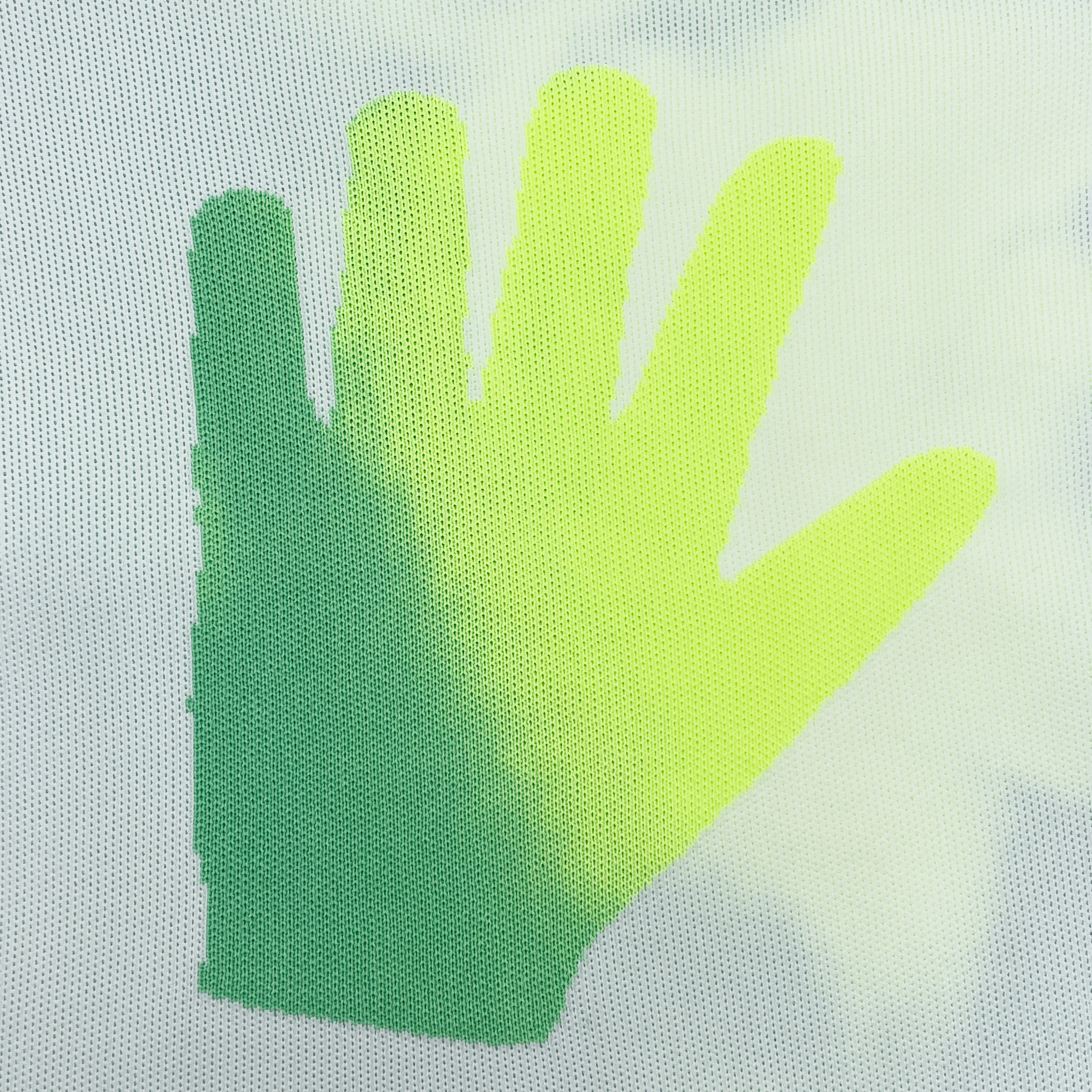
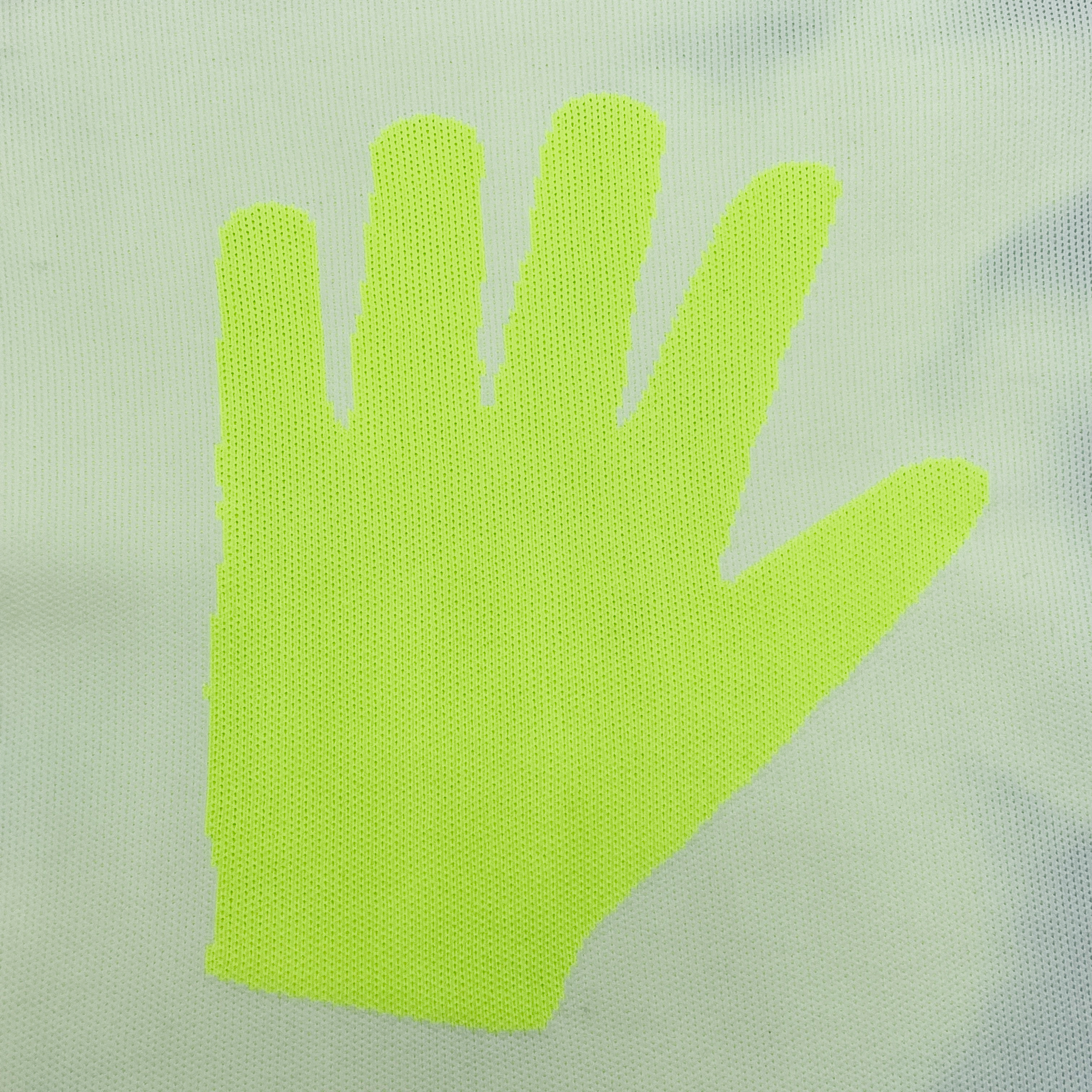
HS6352 real colour-change demonstration. Digital appearance is for reference; approve colour using physical samples.
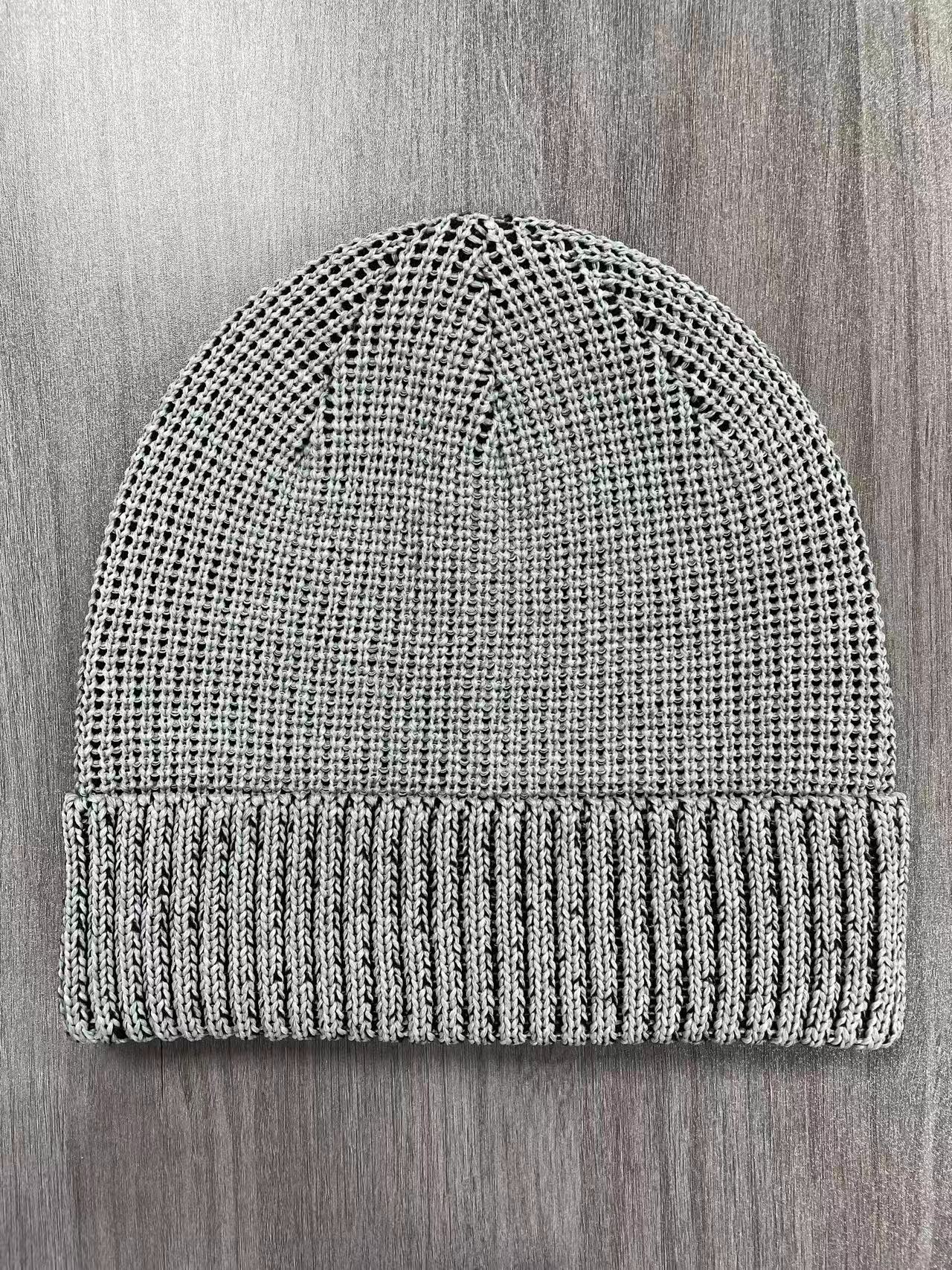
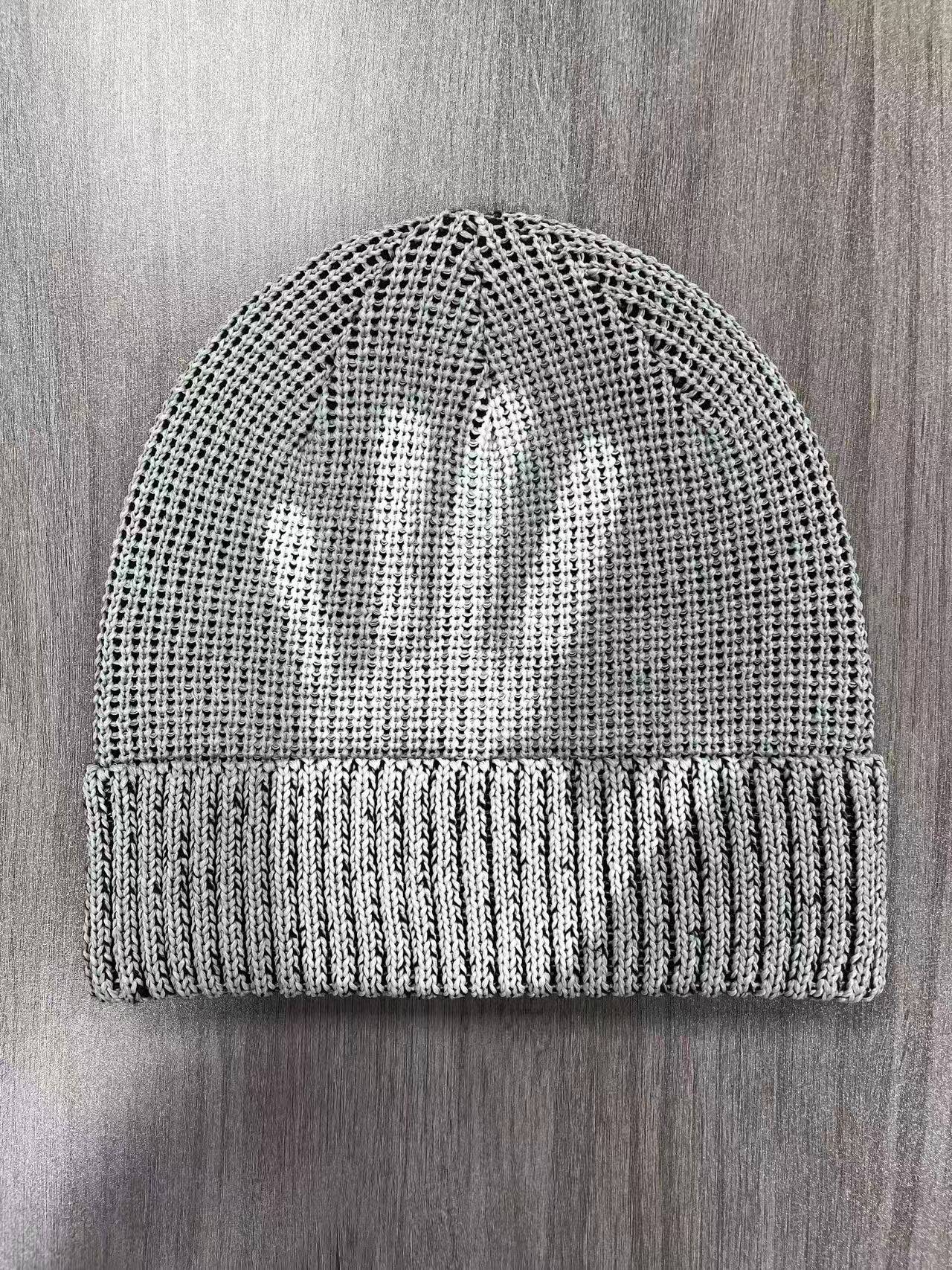
Closest visual match: YXW-801, dark grey to white (medium-high confidence). YXW-818, dark grey to light grey, remains a secondary visual possibility until compared with the physical colour card. The hat pair demonstrates application-level visibility, not a quantified performance claim.
Two additional continuous videos are recorded in the asset library: one fabric demonstration visually matching YXW-802 (red to yellow) and YXW-806 (green to light yellow), and one yarn-cone demonstration visually matching YXW-801 (dark grey to white). The videos show that a visible change occurred under the filmed conditions; they do not independently prove activation tolerance, washability or batch consistency.
Anonymized commercial-order evidence
Yuexiong has two completed Alibaba.com order records from the same customer in Slovenia for HS6352 thermochromic cotton yarn. Yuexiong has confirmed the SKU correspondence and permission to describe the case anonymously. The customer operates a direct-to-consumer crochet-supplies business and uses the material in heat-responsive cotton crochet yarn offered for hats, scarves, amigurumi, cup cozies and other small crochet projects, both as individual yarn and in a yarn-and-hook bundle. The order records and public retail application together support that HS6352 entered a real commercial crochet-yarn use case; they do not by themselves prove customer satisfaction, technical performance, sales volume or the reason for the second order.
12. Questions to send with an RFQ
Copy this checklist into the enquiry:
- What fibre composition do you need?
- What yarn count, denier or finished fabric gauge are you targeting?
- Will the yarn be knitted, crocheted, woven or embroidered?
- What are the intended cold-state and warm-state colours?
- What activation range is required?
- How will the product be heated in actual use?
- What washing and care method must it withstand?
- Is sunlight or outdoor exposure expected?
- Which destination market and test standards apply?
- How many sample cones or swatches are required?
- What is the expected bulk quantity and delivery date?
The more complete the application information, the more accurately a supplier can recommend a sample and define the tests needed before production.
Frequently asked questions
Where can I buy thermochromic yarn?
Buy from a supplier that can identify the actual fibre, yarn count, colour pair and activation condition, and that supports sample testing before bulk production. A visual listing without a product code or test boundary is not enough for a commercial textile project.
Does thermochromic yarn change back to its original colour?
Reversible thermochromic yarn is designed to recover as the material cools, but the recovery range, speed and visual completeness should be checked on the selected sample and finished construction.
Is there a thermochromic cotton yarn supplier for wholesale or small brands?
HS6352 is a 100% cotton, 2/32S thermochromic yarn example. The current standard MOQ is 5 kg. Send the intended use, colour pair, quantity and destination so the quotation and sample route can be confirmed.
Is thermochromic yarn suitable for crochet hats, scarves or amigurumi?
It can be evaluated for crochet hats, scarves, amigurumi, cup cozies and similar small projects. Confirm stitch structure, colour contrast, contact heat and care method with physical yarn and fabric-swatches samples before selling a finished item.
Is thermochromic yarn activated by body heat?
Some activation ranges may be suitable for body-contact effects. Suitability depends on the material temperature actually reached, contact duration, garment structure and environment. Test the target fabric rather than relying on room temperature alone.
Is thermochromic yarn washable?
Some thermochromic textiles can be washed under specified conditions, but “washable” should be supported by a defined method and post-wash functional check. Confirm the exact yarn or sample rather than relying on category-level claims.
Can the activation temperature be customized?
Yuexiong accepts enquiries for alternative activation temperatures and customized yarn projects using fibres such as linen, cotton, wool, cashmere and Tencel, as well as fancy-yarn constructions. Feasibility, target tolerance, specification, MOQ, sample route and lead time must be confirmed for each project.
Can I approve the yarn from a video or digital colour card?
No. Videos and digital swatches are useful for screening, but final approval should use a physical sample and preferably a swatch made in the intended construction.
What is the difference between thermochromic yarn and photochromic yarn?
Thermochromic yarn responds to temperature; photochromic yarn responds primarily to suitable UV exposure. Choose according to the trigger available in the intended use environment.
Does the quoted activation temperature mean the room must reach that temperature?
Not necessarily. It should refer to the temperature of the responsive yarn or textile at the point of measurement. Local body contact or another heat source may warm the material differently from the surrounding air.
Can I buy a small quantity before placing a bulk order?
For Yuexiong thermochromic yarn projects, the standard MOQ is 5 kg and the standard lead time is 7–10 days. The sample package is free, with shipping excluded, and is supplied as yarn, a fabric swatch and a colour card. Confirm destination, courier cost, stock status and dispatch arrangements at enquiry; specific fibres, colours and custom projects are confirmed case by case.
How should I compare thermochromic yarn prices?
Compare the same fibre, count, colour pair, activation condition, package unit and evidence scope. Add sample fees, customization, testing, tax, freight and the cost of an unsuccessful development cycle; a price per kilogram without these conditions is incomplete.
Is thermochromic embroidery thread the same as knitting yarn?
Not necessarily. Search listings often use `yarn` and `thread` loosely. Embroidery requires suitable size, strength, friction behaviour and machine compatibility, while knitting yarn must match gauge, construction and fabric hand. Approve the actual process sample.
Is a 100 g pack, hank or DIY kit suitable for product development?
It may be enough for an early craft demonstration, but commercial development also requires a traceable specification, lot information, replenishment route and bulk availability. Confirm net weight or length and do not assume a retail pack can be reproduced at production scale.
START WITH A SAMPLE
Request free samples
Free yarn, fabric swatch and colour card; shipping excluded.
Contact us about alternative activation temperatures and custom fibre or yarn projects. Feasibility, MOQ and lead time are confirmed per project.
Send your sample request →